
Last Updated: October 30, 2026
Quick Summary
To style techwear streetwear without looking costumed, add one technical piece at a time and build the outfit around clothes you already own. Pair a single technical jacket, cargo pant, or shell with plain denim, a basic tee, or a hoodie, and keep colors quiet in black, grey, olive, or off-white.
- Buying a full matching set and wearing it on day one reads as a costume.
- Introduce one techwear item at a time and balance it with classic pieces.
- Choose matte fabrics over shiny ones and keep logos small or hidden.
- Keep accessories to two pieces, such as a cap plus a sling.
- Pick one half of the outfit to be loose and keep the other half closer to the body.
Table of Contents
- Start With One Technical Piece, Not a Full Fit
- How to Start Wearing Techwear Without Overstyling
- Techwear Outfit Ideas for Daily Rotation
- A Techwear Layering Guide for Cold and Mild Weather
- Techwear Accessories That Finish the Outfit
- Fit, Proportion and Fabric Trade-Offs That Decide the Look
- Build Your First Techwear Streetwear Fit From the CORE Line
- Frequently Asked Questions
Start With One Technical Piece, Not a Full Fit
The fastest way to learn how to style techwear streetwear is to add one technical piece at a time. Build the outfit around clothes you already own. That single rule separates a sharp look from a costume.
The global streetwear market is projected to hit $397.97 billion in 2026, according to Fortune Business Insights' streetwear market forecast. Techwear now sits inside that mainstream, not on its edge. At GOODVIBE, we see the same thing on the street: people want function, but they want it to look lived-in.
Here's the mistake most beginners make. They buy a full matching set, head to toe, and wear it on day one. The result reads as a costume because every piece screams "technical" at the same volume.
Try this instead:
- Start with a single technical jacket, cargo pant, or shell
- Pair it with plain denim, a basic tee, or a hoodie you already own
- Keep colors quiet: black, grey, olive, off-white
- Add one more technical piece only when the first feels normal
A beginner-friendly approach recommended by Fūga Studios' 2026 techwear guide is to introduce one techwear item at a time and balance it with classic pieces. That's the whole game.
How to Start Wearing Techwear Without Overstyling
Starting techwear is a styling decision, not a shopping spree. The goal is a wardrobe that works for daily life, not a photoshoot.
Techwear streetwear is functional clothing built for real weather and movement, cut with an urban silhouette. It combines technical fabric, utility details, and muted color into something you can wear to a coffee shop, not just a convention.
That definition matters because it sets the bar. For more same-topic picks, see our techwear picks and alternatives article. If a piece can't survive a normal Tuesday, it's not techwear. It's a prop.
Here's how to keep it subtle:
- Match your technical piece to the weather you actually get
- Choose matte fabrics over shiny ones
- Keep logos small or hidden
- Let fit do the work, not graphics
- Wear the outfit once at home before you take it outside
Techwear Outfit Ideas for Daily Rotation
Three formulas cover almost every situation. Each one uses one hero piece and builds around it.
Formula 1: The Muted Commuter
This is the office-safe version. Start with a technical shell in black or charcoal. Add straight-leg dark denim and a plain white tee. Finish with clean sneakers.
The shell does the technical talking. Everything else stays quiet. You get weather protection without a single strap in sight.
Formula 2: The Layered Weekend Build
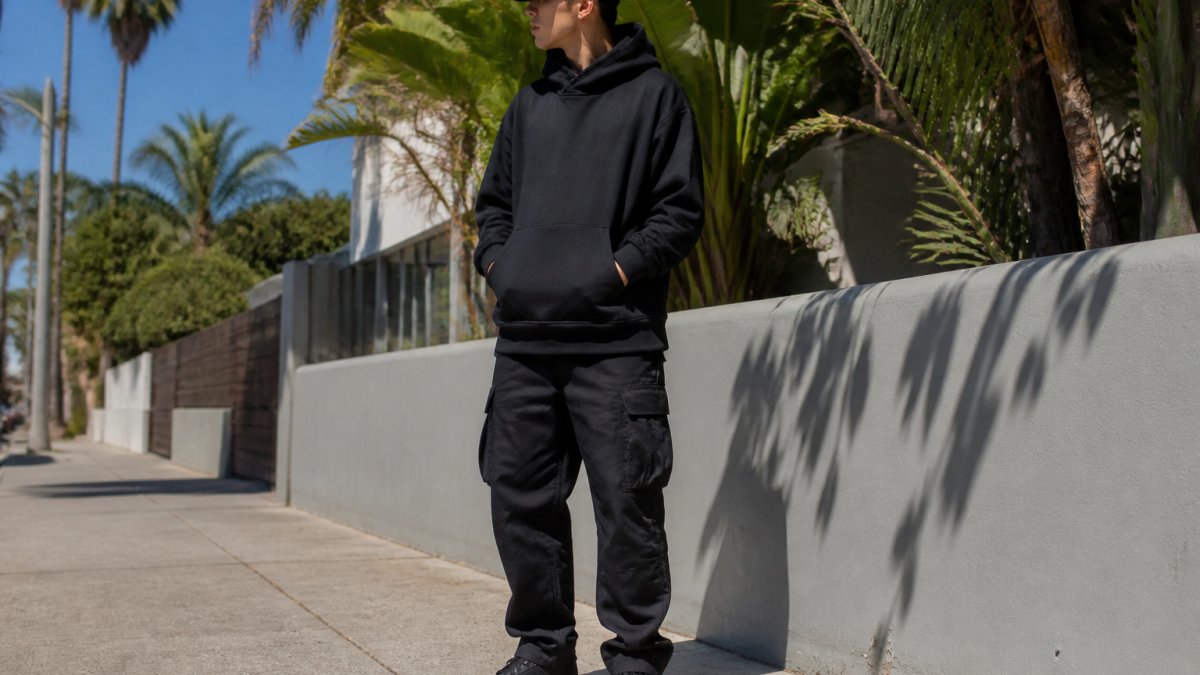
Layer a lightweight technical jacket over a heavyweight hoodie. Add cargo pants and a structured cap.
The contrast between soft fleece and hard nylon is what makes this work. Keep both layers in the same color family so the texture does the talking.
Formula 3: The Summer Lightweight Fit
Heat kills most techwear looks. Fix it with breathable fabric and a looser cut.
Wear a lightweight technical tee with relaxed shorts and low-profile sneakers. Skip the heavy shell. Water resistance matters less in July than airflow.
A Techwear Layering Guide for Cold and Mild Weather
Layering is where techwear earns its keep. Get the order right and you can handle a cold coastal morning and a warm afternoon in the same outfit.
The base layer sits closest to skin. Choose a breathable tee or a light knit. The mid layer traps warmth: a hoodie or fleece. The outer layer blocks wind and rain.
For mild weather, drop the mid layer. A shell over a tee handles most of it.
A few rules that save you from looking bulky:
- Keep each layer thinner than the one beneath it looks
- Match your outer layer to your widest point, not your narrowest
- Use monochrome so the layers read as one shape
- Leave the shell unzipped to show the layer underneath
Cold weather rewards a heavyweight base. Our STATIC & SUN CORE "Triple-Hit" heavyweight hoodie is built on a 10.0 oz heavyweight fleece blank with a generous, boxy drape, which makes it a solid mid layer under a shell.

Techwear Accessories That Finish the Outfit
Accessories decide whether a fit looks finished or half-done. They're also the cheapest way to test the style before you commit to a jacket. The unique angle here is budget and climate: you can add function without buying a full technical wardrobe, and you can match the accessory to the weather you actually get.
STATIC & SUN CORE // "Triple-Hit" Heavyweight IND4000 Hoodie →
Start with headwear. A structured cap adds height and shape to an otherwise flat silhouette. A knit beanie works better in cold weather and reads softer. For mild climates, a lightweight five-panel or runner cap keeps the look clean without overheating.
Then pick a bag. A compact technical backpack or sling keeps the utility theme without shouting. Look for a padded back panel and adjustable sternum strap if you carry a laptop daily; a simple roll-top or flap closure is enough for weekends. For commuting, a 15-20L sling or small backpack handles a laptop, water bottle, and light layer.
Keep the count low. Two accessories is plenty. Three starts to look like gear. A common pattern is one piece for the head and one for carry, cap plus sling, beanie plus small backpack, so the outfit reads intentional rather than tactical.
Budget approach: start with a cap or beanie you already own in black, grey, or olive. Add a simple sling or compact backpack in a matte fabric. Skip anything with too many straps, buckles, or logos until the basics feel normal. Most beginners find that one well-chosen bag does more for the look than three small add-ons.
Climate note: in hot, humid weather, choose breathable mesh or lightweight nylon and avoid heavy webbing. In cold, wet weather, a water-resistant bag and a knit beanie do more practical work than a cap. If you want to test the style cheaply, a monochrome beanie and a plain sling are the lowest-risk entry point.
For cold mornings, our "Pixel Sun" knit beanie adds monochrome warmth without breaking the muted palette. It's the kind of piece that works with denim as easily as it does with cargos.
Fit, Proportion and Fabric Trade-Offs That Decide the Look
Fit is the difference between techwear and a uniform. Most people get the size right and the proportion wrong. This is the section competitors skip: concrete sizing, proportion rules, and plain-language fabric trade-offs so you can choose pieces for real use rather than appearance alone.
Proportion rules that work across body types. Oversized doesn't mean shapeless. A boxy top needs a tapered or straight bottom to balance it. Wide pants need a fitted top. Pick one half of the outfit to be loose and keep the other half closer to the body. If you're shorter, keep the loose half shorter in length, a cropped boxy jacket over straight pants reads cleaner than a long shell over wide cargos.
Sizing guidance. Start with your normal size in tops and go one size up only if the brand explicitly cuts boxy. For shells and outerwear, size to your widest layer, try the jacket on over a hoodie, not a tee. For pants, measure your actual waist and inseam; utility pants often run roomy in the thigh, so a straight or tapered leg prevents pooling at the ankle.
Layering without bulk. Keep each layer thinner than the one beneath it looks. Match your outer layer to your widest point, not your narrowest. Use monochrome so the layers read as one shape. Leave the shell unzipped to show the layer underneath.
Fabric trade-offs in plain language. Water-resistant shells block rain and wind but trap heat and feel stiff. Breathable knits move air but soak through. Heavyweight fleece is warm and holds shape but adds bulk under layers. Ripstop nylon is light and tough but has a shiny finish and less drape. Our high quality streetwear guide covers construction and stitching in more depth.
Here's the honest breakdown:
| Fabric Type | Strength | Trade-Off | Best For |
|---|---|---|---|
| Water-resistant shell | Blocks rain and wind | Traps heat, feels stiff | Cold, wet commutes |
| Heavyweight fleece | Warm, holds shape | Bulky under layers | Mild cold, layering |
| Lightweight knit | Breathable, moves well | Little weather protection | Summer, indoor wear |
| Ripstop nylon | Light and tough | Shiny finish, less drape | Utility pants, bags |
Care and durability. Water-resistant coatings degrade with repeated washing and abrasion; follow the care label and re-proof shells when water stops beading. Breathable knits last longer with cold washes and air drying. If you want to go deeper on construction and stitching, our guide to spotting high quality streetwear breaks down what to check before you buy.
Build Your First Techwear Streetwear Fit From the CORE Line
You don't need a full wardrobe to start. You need one piece you'll actually wear three times a week.
Pick the piece that matches your worst weather. If it rains, start with a shell. If it's cold, start with a heavyweight layer. If it's hot, start with a breathable tee.
Then build outward. Add one accessory. Add one bottom. Stop there until the outfit feels normal.
At GOODVIBE, our CORE line is built for exactly this. Boxy California cuts, graphic designs, and heavyweight blanks. Earth and code, in one rotation.
Most people stall because they try to buy a whole look at once. The better path is slower and cheaper: one technical piece, worn often, until it feels like yours.
GOODVIBE builds for that path. Our CORE and RETRO CORE collections pair heavyweight construction with graphic designs that slot into a normal rotation. You get boxy fits, exclusive limited drops, and a style that bridges SoCal streetwear with the XRPL digital frequency.
Get started with GOODVIBE and build a first fit that works from day one. SHOP INVENTORY >>>
Frequently Asked Questions
What should a beginner buy first for a techwear outfit?
Start with one technical outer layer or a heavyweight hoodie, then add a pair of cargo pants. Current styling advice recommends introducing one techwear item at a time and balancing it with clean classic streetwear pieces so the outfit reads as purposeful rather than overstyled. A structured cap or a technical jacket over your existing denim and tees is enough for a first step. Once that combination feels natural, add the next piece.
Can you mix techwear with regular streetwear?
Yes, and it is the most wearable way in. Techwear in 2026 is described as a futuristic and functional subculture inside the wider streetwear movement, so the two already overlap on relaxed fits and oversized silhouettes. Pair a technical jacket with plain denim, or a graphic tee with cargo pants. Keep the palette to neutral colors and monochrome so the utility details stand out without the outfit looking like a costume.
How do you layer techwear without looking bulky?
Layer thin to thick and keep each layer close to the body. Start with a lightweight tee, add a mid layer such as a hoodie, then finish with outerwear that has room through the shoulders. A boxy cut with dropped shoulders drapes instead of bunching. Avoid stacking two oversized pieces on the same half of the body: if the hoodie is generous, keep the pants straighter, and the reverse.
What colors work best for techwear streetwear outfits?
Black dominates techwear, and muted neutrals, earthy tones and monochrome builds are the safest base for 2026. Build the outfit in one dark family, then use a single contrast point such as a neon graphic or a cyan and magenta print. That one accent keeps the functional look readable without turning the fit into a color clash. Neutral colors also make it easier to mix and match the same pieces across the week.
